

Breast cancer in Bangladesh
Breast cancer and women’s health
Breast cancer is the most common cancer among women in Bangladesh. The number of women diagnosed with it is rising, and more women are dying from the disease. Staying active and maintaining a healthy weight can help lower the chance of developing breast cancer.


Daily habits and breast cancer risk
Among Bangladeshi women who described their routines, about three in four women with breast cancer said they were mostly inactive, compared with about half of women without breast cancer. Poor sleep and chewing paan with betel nut or jarda were also more common among women with breast cancer. These findings cannot explain why any one woman developed cancer. Regular physical activity, such as a brisk walk, can help lower risk.



Weight, blood pressure, and blood tests
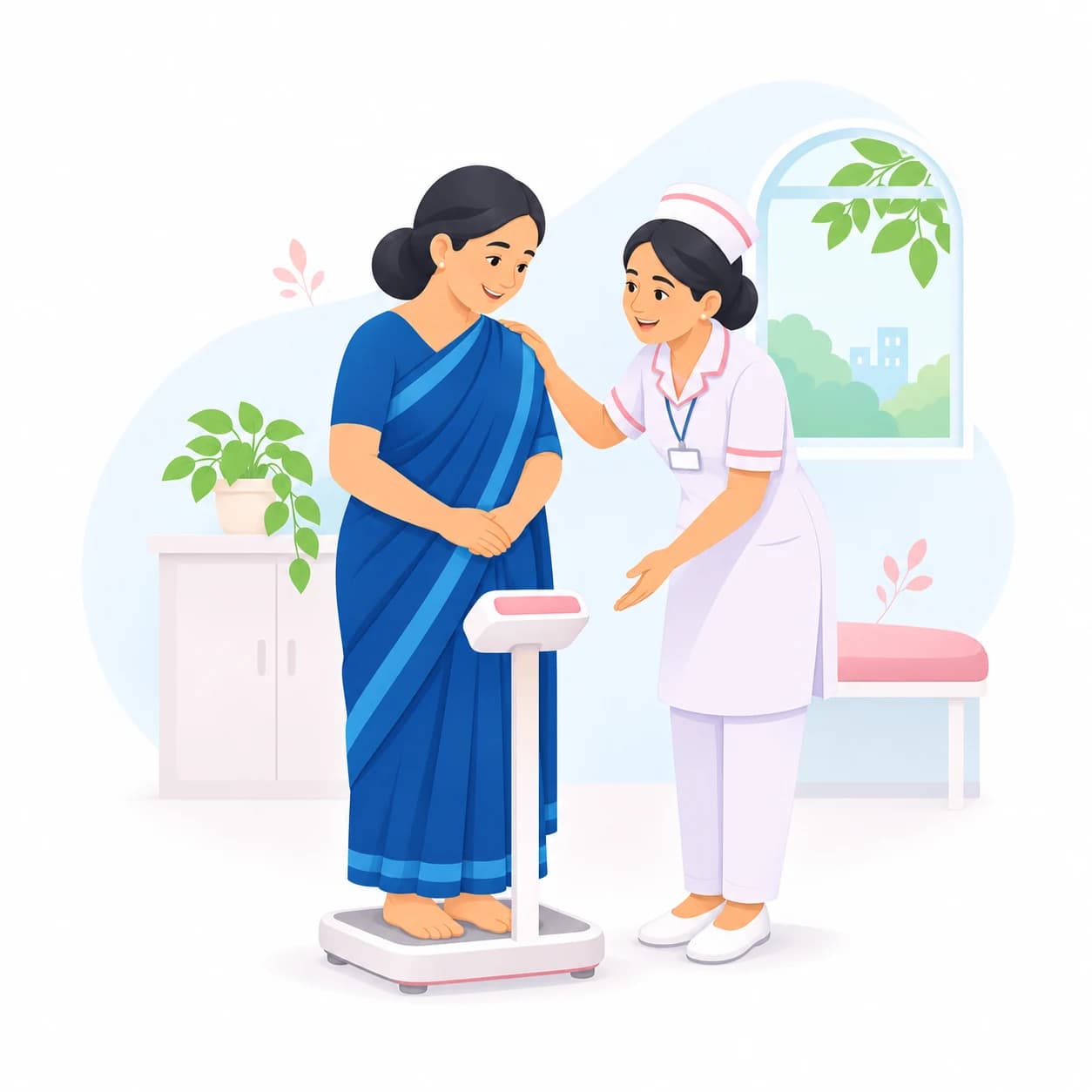
Body mass index, or BMI, measures weight in relation to height. Obesity and high blood pressure were more common among the women with breast cancer. About half of those tested had high triglycerides, a type of fat in the blood, compared with about one in five women without breast cancer. These readings help doctors care for your overall health. They cannot diagnose breast cancer.


High blood pressure and type 2 diabetes
Hypertension means blood pressure stays high over time. Type 2 diabetes affects how your body uses insulin and can leave too much sugar in your blood. In the Bangladesh research, high blood pressure readings were more common among women with breast cancer. Among the patients with breast cancer, those who also had diabetes more often had high cholesterol than patients of similar ages without diabetes. These findings describe conditions that can occur together. If you live with either condition, bring your medicine list and any readings you keep to your cancer care appointments.



What “triple-negative” means
After a biopsy, a laboratory tests a small piece of the cancer. Three results on the report, called ER, PR, and HER2, help doctors choose medicines. When all three are negative, the cancer is called triple-negative breast cancer. Hormone-blocking medicines do not work against this type, but surgery and chemotherapy can help. When found early, triple-negative breast cancer can be treated with the aim of cure.



Why breast cancer treatments differ
Some cancers use hormones to grow, so medicines that block those hormones can help. Other cancers have high levels of a protein called HER2 and may respond to medicines that target it. In the local treatment records reviewed, few patients whose tumors tested positive for both hormone receptors were recorded as receiving hormone therapy. Reviewing your own report with your doctor can help you understand which treatments could work for you.